
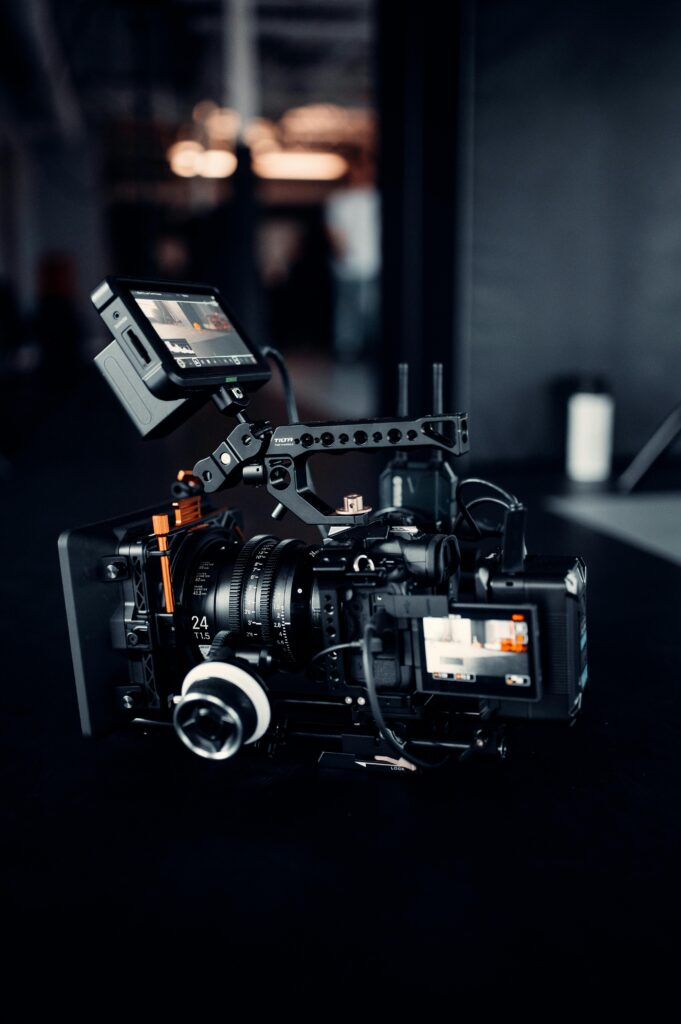
Introduction to Mid-Range Cameras
Mid-range cameras, typically priced between $700 and $1,500, represent a significant segment of the photographic equipment market. They are widely regarded as the “sweet spot” due to their balance of quality, versatility, and affordability. This price range is particularly appealing to both beginner and experienced photographers as it offers advanced features commonly found in professional-grade equipment without the steep costs associated with high-end models.
One of the primary advantages of mid-range cameras is their exceptional image quality. Many models in this category boast larger sensors, which allow for greater light capture and improved performance in low-light conditions. This characteristic is essential for photographers seeking to expand their skills and explore various genres, such as portraiture or landscape photography. As photographers progress in their journey, having a reliable camera that can adapt to diverse shooting conditions becomes crucial.
In addition to image quality, mid-range cameras often come equipped with versatile functionalities, such as interchangeable lenses and manual control options. These features enable photographers to experiment with different styles and techniques, fostering growth in their artistic expression. Furthermore, many modern mid-range cameras offer connectivity options, allowing users to share their work easily and stay engaged with their audience.
The investment in a mid-range camera not only enhances the shooting experience but also encourages skill development. More advanced tools can unlock potential that a beginner might not reach with entry-level equipment. For this reason, both budding photographers and seasoned professionals often consider mid-range cameras a wise choice for expanding their toolkit without overwhelming financial commitment. As the journey in photography evolves, owning a reliable mid-range camera serves as a solid foundation for continued growth.
Key Features to Look For
When choosing a mid-range camera priced between $700 and $1,500, several key features can significantly influence your photography experience and development. One of the most critical aspects is the sensor size. Larger sensors typically capture more light, resulting in better image quality, particularly in low-light situations. For mid-range cameras, sensors such as APS-C or full-frame formats are common, providing a good balance between performance and price.
Another feature to consider is the autofocus capabilities. Fast and reliable autofocus systems can make a considerable difference, especially for capturing moving subjects or achieving precise focus in dynamic environments. Look for cameras that offer phase detection or hybrid autofocus systems, which combine the best of both worlds for quick and accurate focusing.
Lens options also play a crucial role in a camera’s versatility. A good mid-range camera should provide access to a range of interchangeable lenses, allowing you to explore different focal lengths and styles of photography. Prime lenses often deliver superior image quality, while zoom lenses offer flexibility. Ensure that the camera system you choose has a robust selection of both types of lenses available.
The build quality of the camera is another feature worth evaluating. Cameras designed for durability and usability in various conditions, such as weather-sealed bodies, can greatly enhance the longevity and reliability of your equipment. Furthermore, consider the ergonomics and user interface, which should facilitate ease of use and allow for quicker adjustments when necessary.
Lastly, battery life is a critical feature that should not be overlooked. Models that offer extended battery life will allow for prolonged shooting sessions without the need for frequent recharging, making them ideal for events, travel, or outdoor photography.
Top Mid-Range Camera Brands
In the ever-evolving landscape of photography, numerous brands have emerged as key players in the mid-range camera market, particularly within the pricing bracket of $700 to $1,500. Canon, Nikon, Sony, and Fujifilm stand out as some of the most trusted brands among both amateur and professional photographers alike.
Canon is widely esteemed for its user-friendly interfaces and extensive range of lenses, catering to various photography needs. The brand’s EOS series, which includes both DSLRs and mirrorless options, has established a loyal following due to its reliable performance and excellent autofocus capabilities. Photographers often praise Canon’s image quality, particularly in vibrant colors and skin tones, which makes it ideal for portrait and event photography.
Nikon, another titan in the field, is recognized for its robust build quality and exceptional low-light performance. The Nikon Z series of mirrorless cameras have been especially well-received for their innovative features, including high-resolution sensors and impressive image stabilization, making them perfect for wildlife and landscape photography. Nikon’s commitment to advancing mirrorless technology signifies its intention to remain competitive in a rapidly changing market.
Sony has revolutionized the industry with its full-frame mirrorless cameras, offering cutting-edge technology in a compact form. The Alpha series is known for fast autofocus systems and high video capabilities, compelling landscape and video creators to invest in these versatile models. Sony’s sensors are also widely utilized by various camera brands, underscoring its leading role in sensor technology.
Lastly, Fujifilm is celebrated for its unique color science and retro aesthetic. With its X-series and GFX medium format line, Fujifilm appeals to enthusiasts and professionals seeking distinctively artistic images. Their film simulation modes draw in photographers who appreciate a vintage look without excessive post-processing.
These brands represent the best value in the mid-range camera segment, providing features and quality that cater to diverse photographic styles and needs. As technology progresses, each brand continues to innovate, solidifying their positions as leaders in the mid-range camera market.
Best Mid-Range Cameras of 2023
Mid-range cameras offer an excellent balance between quality and cost, making them ideal for both enthusiasts and budding professionals. In this section, we will examine several notable models in the $700 to $1,500 price range, highlighting their specifications, advantages, disadvantages, and suitable use cases. Here are some of the best mid-range cameras of 2023:
1. Canon EOS M50 Mark II
This mirrorless camera features a 24.1MP APS-C sensor and offers exceptional autofocus capabilities. With features such as 4K video recording and a vari-angle touchscreen, it is well-suited for vlogging and creative photography. Pros include its compact design and easy-to-use interface, with cons being its limited lens selection and underperformance in low light conditions.
2. Nikon Z50
Nikon’s Z50 utilizes a 20.9MP sensor and boasts an impressive ISO range for capturing vibrant images in various lighting conditions. The camera offers 4K video, a lightweight body, and a comfortable grip. While the robust autofocus is a highlight, potential downsides include a slightly higher learning curve for novices and limited native lens availability.
3. Sony Alpha a6400
Equipped with a 24.2MP APS-C sensor, the Sony Alpha a6400 is celebrated for its real-time eye autofocus technology, making it perfect for portrait photography. It also features 4K video capabilities. Pros include outstanding image quality and fast performance; however, it may come at a price point that stretches one’s budget, along with a less intuitive menu system.
4. Fujifilm X-T30
This lightweight camera is known for its stunning color reproduction and retro design. It packs a 26.1MP APS-C sensor and provides multiple film simulation modes. The X-T30 excels in street photography and the practice of creative techniques, yet it may lack in battery life and can have a steep initial learning curve for those unfamiliar with manual settings.
When selecting a mid-range camera in 2023, consider your specific shooting style and requirements. Each of these cameras offers unique advantages that cater to various photographic needs, ensuring users can find the right tool for their creative endeavors.
Pricing and Budgeting Tips
The pricing of mid-range cameras, typically ranging from $700 to $1,500, is influenced by a variety of factors. First and foremost, brand reputation plays a significant role; established manufacturers with a history of quality often command higher prices due to their trusted performance and reliability. Additionally, the specifications of the camera, such as sensor size, megapixel count, and lens quality, can markedly affect pricing. As a buyer, understanding these factors will assist in making informed decisions.
Another critical aspect that impacts pricing is the technology integrated into the camera. Features such as image stabilization, autofocus capabilities, and connectivity options like Wi-Fi and Bluetooth can also affect the overall cost. When setting a budget, it is vital to prioritize which features are essential versus those that are merely desirable.
To align your budget with your specific needs, consider creating a checklist of features that are non-negotiable for your photography pursuits. This approach will ensure that you focus on what is truly important while avoiding unnecessary expenditures. Additionally, do thorough research into price comparison across different retailers as prices can vary significantly, enabling you to capitalize on sales, promotions, or discounts.
Moreover, consider the long-term implications of your purchase. Investing in a model that includes expandable capabilities, such as lens compatibility and accessories, may be more cost-effective in the long run despite a higher initial price. Financing options offered by retailers can also be advantageous, allowing for manageable payment plans without exceeding your financial limits.
In summary, understanding the various elements influencing the pricing of mid-range cameras and employing strategic budgeting techniques can help prospective buyers make wise financial investments while still obtaining high-performance equipment that suits their needs.
Accessories That Enhance Your Experience
When purchasing a mid-range camera, the importance of accessories cannot be overlooked. They not only supplement your primary tool but also significantly enhance your overall photography experience. For example, investing in quality lenses can transform your shooting capabilities. A versatile zoom lens enables you to capture varied subjects, from sweeping landscapes to detailed close-ups, thereby expanding your creative range.
Moreover, tripods are essential for stabilizing your camera, especially in low-light situations or when using longer exposure times. A sturdy tripod helps prevent camera shake, ensuring sharp images. When selecting a tripod, it’s wise to opt for lightweight yet durable materials, allowing for easy transport during shoots.
Camera bags are another critical accessory. They provide much-needed protection for your gear while allowing for easy organization. Look for bags that offer ample room for your camera and lenses alongside compartments for additional accessories like batteries and memory cards. This organization can streamline your shooting process, making it quick and efficient.
Lastly, external flashes can greatly enhance lighting conditions, particularly in challenging environments. They help to illuminate subjects, reduce shadows, and ensure well-exposed images. Investing in a reliable external flash can elevate your photography skills, providing you with greater control over your lighting. Brands such as Canon and Nikon provide excellent options suited for their respective camera systems.
Incorporating these accessories into your photographing toolkit will not only improve image quality but also enrich your overall experience, making the investment in a mid-range camera even more worthwhile.
Common Mistakes to Avoid
Transitioning to a mid-range camera is an exciting milestone for many new photographers. However, there are a number of common mistakes that can hinder their growth and limit the capabilities of their new equipment. One of the most frequent oversights is failing to consider the importance of lens options. While mid-range cameras often come with a kit lens, it is crucial for photographers to explore additional lens choices that fit their specific photography style and objectives. Different lenses can dramatically alter the outcome of images, providing opportunities to experiment with various focal lengths, apertures, and characteristics.
Another mistake involves neglecting future growth needs. It is essential for photographers to anticipate how their skills and photographic pursuits may evolve over time. Investing in a camera body with advanced features may seem intimidating initially, but it can accommodate a photographer’s expanding repertoire, saving them from needing to upgrade shortly after their purchase. Features such as improved autofocus systems, better low-light performance, and compatibility with a wider range of lenses can enhance the photographer’s experience significantly.
Additionally, new photographers often underestimate the importance of understanding the camera’s manual settings. Relying solely on automatic modes may result in missed opportunities to capture images creatively. Embracing manual settings along with the camera’s full range can empower photographers to express their unique vision more effectively. Educational resources or photography courses can be beneficial in helping individuals grasp these concepts.
Lastly, it’s essential not to rush into purchasing additional accessories like tripods, bags, and filters without proper research. Assessing one’s specific photography goals will aid in acquiring only those items that genuinely enhance the shooting experience. By avoiding these common pitfalls, new photographers can make informed decisions that promote their photography growth and satisfaction.
Real-World Use Cases of Mid-Range Cameras
Mid-range cameras, typically priced between $700 and $1,500, offer significant versatility across various photography genres, making them suitable for both amateurs and enthusiasts pursuing professional results. One notable genre is portrait photography. Mid-range cameras equipped with larger sensors and interchangeable lenses enable photographers to achieve stunning depth of field, allowing for beautiful bokeh effects that enhance subject focus while softening the background. Their performance in low light conditions, combined with advanced autofocus systems, ensures sharp and well-exposed portraits during events such as weddings or family gatherings.
Another area where mid-range cameras shine is landscape photography. These cameras generally feature wide dynamic range capabilities, allowing photographers to capture breathtaking vistas with vivid colors and intricate details, even in challenging lighting conditions. Coupled with high-resolution sensors, photographers can make large prints without compromising image quality. Additionally, the robustness that many mid-range models provide makes them suitable for outdoor adventures, where durability against the elements is essential.
Wildlife photography also benefits immensely from mid-range cameras. The combination of fast autofocus and burst shooting capabilities allows photographers to capture fleeting moments, such as an animal in motion. With compatible telephoto lenses, these cameras can deliver high-quality images from great distances without losing detail. This makes mid-range cameras a preferred choice for nature enthusiasts looking to document wildlife in its natural habitat.
Lastly, event photography, including concerts and festivals, underscores the advantage of mid-range cameras. Their ability to handle rapid changes in lighting and their quick performance makes them ideal for capturing dynamic scenes. With robust connectivity features, photographers can easily share their images in real-time, further enhancing the experience. Consequently, mid-range cameras exemplify how versatile equipment can accommodate varied photographic endeavors, delivering exceptional results across different scenarios.
Conclusion and Further Considerations
In conclusion, this blog post has explored the landscape of mid-range cameras, specifically those within the price range of $700 to $1,500. We have evaluated various attributes that contribute to their value, including image quality, versatility, battery life, and advanced features that facilitate the growth of photography enthusiasts. These cameras are not merely tools; they represent significant investments that can vastly improve your skills and overall experience in photography.
When selecting a mid-range camera, it’s essential to reflect on your specific photography goals. Consider what type of photography you are interested in, whether it be portraits, landscapes, or action shots, and how each camera aligns with these interests. A deeper understanding of your requirements will help you choose a model that not only meets your immediate needs but also supports your aspirations as you develop your craft.
Investing in a reliable mid-range camera can ultimately set the foundation for your photographic journey. It allows for experimentation, creativity, and learning, enabling you to capture images that fulfill your artistic vision. As you consider your options, remember that the right camera can instill confidence and inspire further exploration in the world of photography.
As you move forward, take the time to research specific models that capture your interest, read reviews, and perhaps even try out a few in person at local retailers. Engaging with the photography community and seeking advice from fellow photographers can also provide valuable insights. Your mid-range camera may very well be the key to unlocking your potential, guiding you on a journey of both technical proficiency and creative expression.